
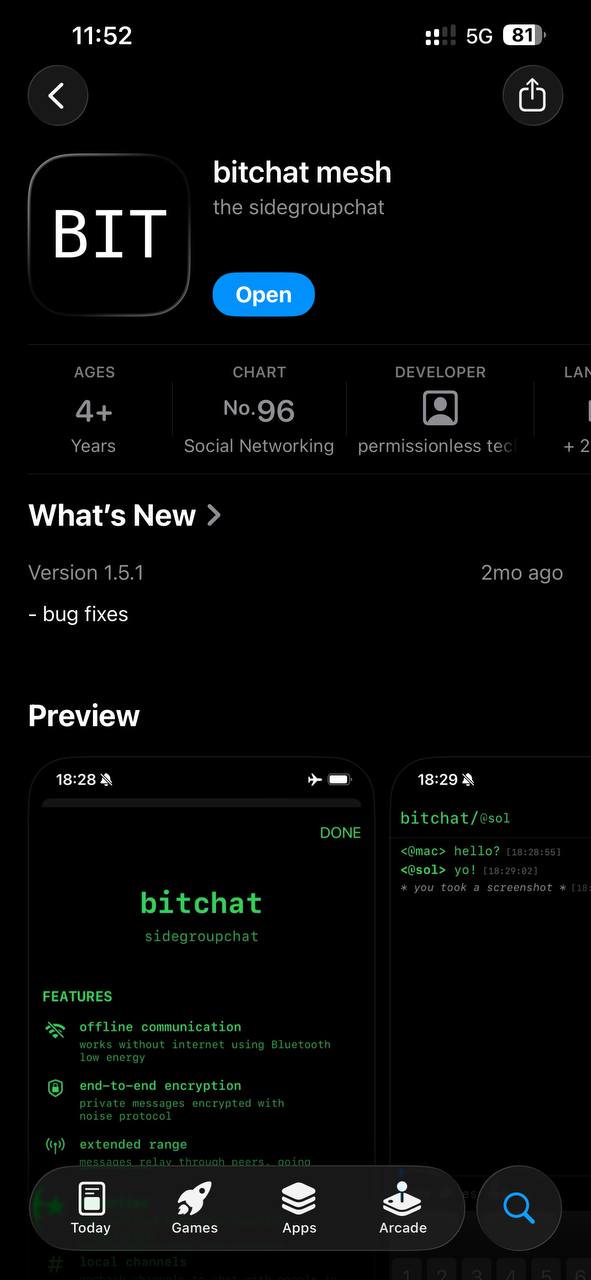
When Your Favorite App Just Vanishes: The Bitchat Story
Ever had that unsettling feeling? You go to download an app you heard about, maybe one your friends are raving over, only to find it's simply... not there. Not for you, anyway. In a world that feels increasingly interconnected, it's a stark reminder that digital access isn't universal. This very scenario played out recently with the news that the Bitchat app was removed from China's app stores.
For those outside China, Bitchat might not be a household name, but its quiet disappearance speaks volumes about the country's intricate and often opaque digital landscape. It's not just another tech story; it's a peek behind the curtain of one of the world's most sophisticated systems of internet control.
The Quiet Exit: What Happened to Bitchat?
So, what exactly went down? The short version is that Bitchat, a messaging application that reportedly emphasized privacy and decentralized communication, is no longer available on major app stores within mainland China. Users looking for it won't find it on Apple's App Store or local Android app markets. It wasn't a loud, public ban, but rather a typical silent removal, which is often how things happen when an app runs afoul of local regulations.
This isn't an isolated incident, of course. We've seen countless apps, from news aggregators to VPN services, vanish from Chinese app stores over the years. Each time, it sparks renewed conversations about digital privacy concerns and the boundaries of freedom of speech online. The Bitchat app's removal is just the latest chapter in this ongoing narrative.
Behind the Digital Curtain: China's Internet Ecosystem
To understand why the Bitchat app was removed from China, you need to grasp the foundational principles governing the internet there. It's not just a firewall; it's an entire ecosystem built on specific rules and philosophies.
The Great Firewall and Its Guardians
We often talk about the Great Firewall, but it's more than just a filter. It's a multi-layered system that combines advanced technical blocking with strict app store regulations and self-censorship requirements for tech companies. Any platform operating within China, whether it's a local giant like WeChat or an international player trying to gain a foothold, must comply with local laws. These laws often mandate content moderation, data localization, and strict user identity verification.
This means if an app offers features that are deemed to circumvent these controls – like strong end-to-end encryption without a backdoor for authorities, or the ability to share information freely without government oversight – it's likely to face scrutiny. Decentralized communication apps, by their very nature, often clash with these requirements because they're designed to be harder to control from a central point.
The Iron Grip of Tech Crackdowns
Over the past few years, we've witnessed a significant tech crackdown in China. This isn't just about blocking foreign apps; it's about reining in domestic tech giants too, ensuring all digital activity aligns with state objectives. This regulatory environment creates a challenging landscape for any app that might be perceived as a vector for unauthorized information or a tool for organizing outside official channels. The Bitchat app's focus on privacy likely made it a target in this increasingly regulated space.
What Does This Mean for Users and Digital Freedom?
When an app like Bitchat disappears, it's not just an inconvenience for its existing users; it sends a broader message.
The Ever-Shrinking Digital World
For people living in China, every app removal further constricts their access to diverse information and communication channels. It pushes more users towards government-approved platforms, creating a more homogenized digital experience. It also makes it incredibly difficult for individuals to connect with the global internet without resorting to specialized tools like VPN services, which themselves are frequently targeted and blocked.
The Chilling Effect on Innovation
For developers, especially those focused on privacy and open communication, China's app store regulations present a huge hurdle. It forces a choice: either compromise on core principles to comply with local laws, or accept that your app won't be available to hundreds of millions of potential users. This has a chilling effect on innovation, particularly for services that prioritize user autonomy above all else. It's a constant balancing act for tech companies operating globally.
Navigating the Digital Divide: Your Options
So, if you're someone who values digital privacy and open communication, what can you do when apps vanish?
- Stay Informed: Keep an eye on global tech news and app availability. Understanding these dynamics helps you make informed choices about the tools you use.
- Explore Alternatives: If a favored app disappears in a certain region, research other options. There are many apps focused on secure, private communication, though their availability can vary greatly by location.
- Understand VPNs (where legal): In regions with restricted internet, VPNs are often used to bypass blocks. However, it's crucial to understand the legalities and risks involved in using them in your specific location. Not all VPNs are created equal, and some might be compromised or illegal in certain areas.
- Support Open-Source and Decentralized Projects: Many developers are working on privacy-focused, decentralized communication technologies precisely because of these global censorship challenges. Supporting these projects, even by just spreading awareness, can help foster a more open digital future.
The story of the Bitchat app being removed from China isn't just a tale of one app; it's a microcosm of the larger struggle for digital freedom and open access online. It's a reminder that the internet isn't a universally free space, and the battle for an open web continues in surprising corners of the world.
What are your thoughts on app removals and digital borders? It's a conversation worth having, don't you think?
Tags: Bitchat app was removed from China, internet censorship China, Great Firewall, app store regulations, decentralized communication, digital privacy concerns, VPN services, freedom of speech